Electrical thermography
Use non-contact surface-temperature measurements to inspect electrical equipment.
- Electrical hot spots
- Overloaded circuits
- Loose electrical connections

SERVICE 02.03 / RELIABILITY & INDUSTRIAL ENGINEERING
Technical support for industrial motors and controls, with non-contact thermal inspection to assess equipment condition.
Discuss this serviceSERVICE SCOPE
Infrared thermography measures surface temperature without contact. It supports electrical and mechanical inspections by helping detect hot spots, overloaded circuits, loose electrical connections and bearing overheating.
Electrical and control systems connect machinery to its operating process. Thermal inspection adds condition information to the equipment details, operating environment and documentation used to define the work.
Explore all six condition monitoring techniquesCONDITION MONITORING
Infrared inspection and temperature trending help identify thermal issues for further assessment and maintenance planning.
Use non-contact surface-temperature measurements to inspect electrical equipment.
Thermography also supports the inspection of mechanical equipment and thermal barriers.
Track how temperature patterns change over time.
PLANNING YOUR REQUIREMENT
OZRON supports industrial electrical engineering and control-system requirements in Tanzania, including infrared thermography to investigate surface-temperature differences and maintenance priorities. The agreed scope depends on the installation and access conditions.
Clear observations and documented findings help maintenance teams prioritise checks and plan appropriate corrective work.
Based in Mabibo, Ubungo, Dar es Salaam, OZRON reviews requirements for projects in Tanzania. Site attendance, delivery and the specific work scope are confirmed during quotation.
Request a quotation for electrical & control systems support ↗FIELD VIEWS
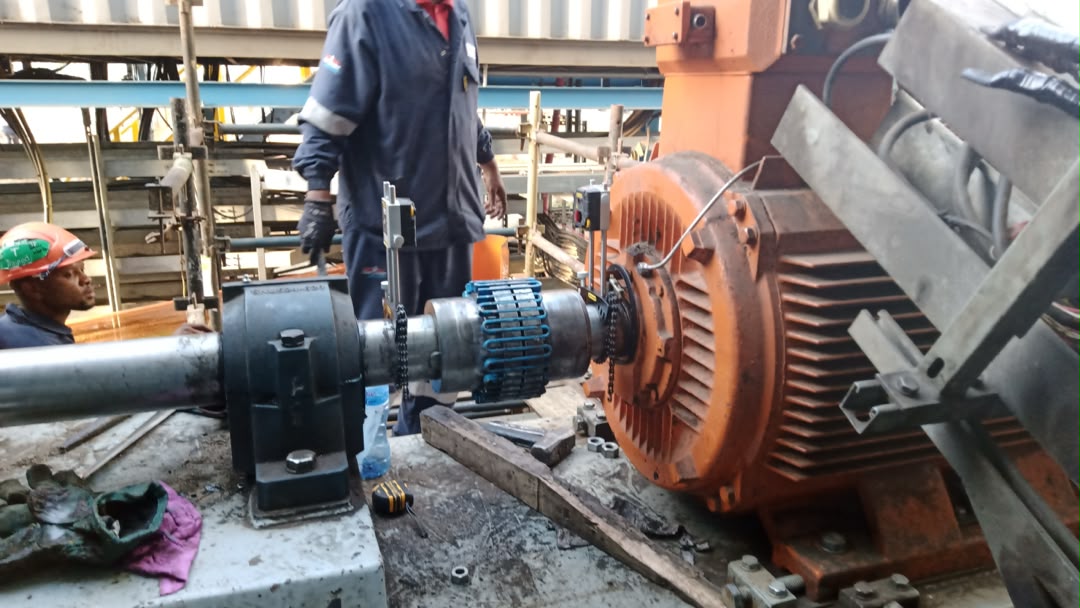
These field photographs show industrial motors and their mechanical connections. They provide equipment context for the service.
An industrial motor connected to driven equipment through a coupling and supported shaft.
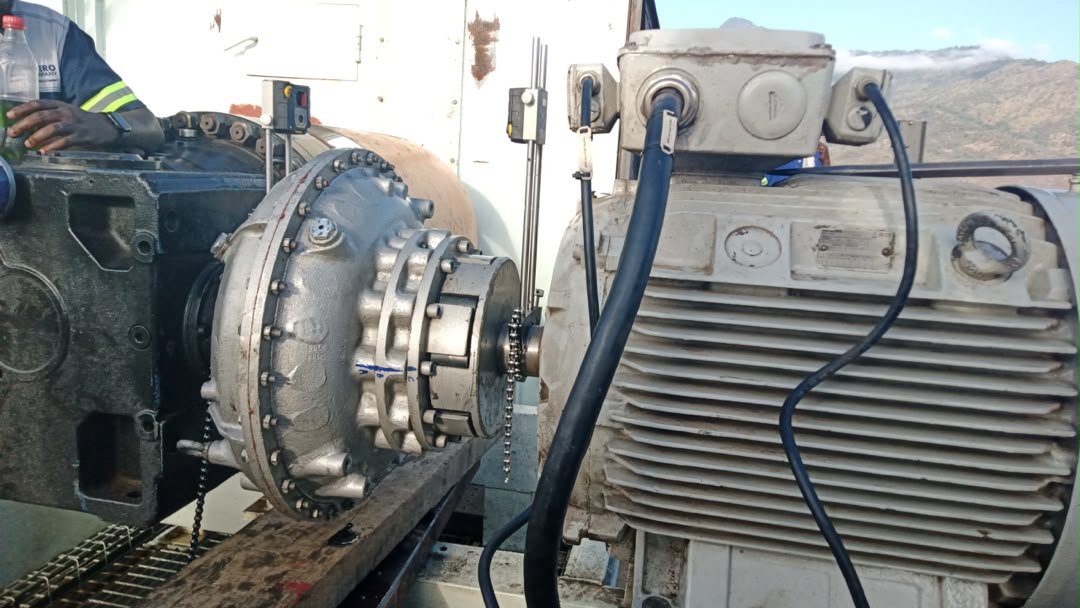
The motor and driven machine form a connected system. The equipment arrangement helps define the inspection and support requirements.
PREPARE YOUR ENQUIRY
Share the details below so the scope can be reviewed against the actual requirement.